Your phone talks to your car now. The thermostat adjusts itself based on weather data. Traffic lights sync up across town to keep cars moving. These connections create vast webs of communication that run pretty much everything. But stuff breaks. Cables get cut. Servers crash. So how do these networks keep chugging along when problems hit? Networks today bounce back from trouble fast. They have backup plans for their backup plans.
Building Networks That Bend But Don’t Break
Network engineers figured out that you cannot put everything through one pipe and hope for the best. One busted connection used to mean lights out for everyone. Not anymore. Now they build multiple routes between every important point. Networks reroute themselves with no one lifting a finger. Construction crew accidentally cuts a fiber optic cable? The network already found six other paths before anyone notices. Maybe things slow down for a second. That’s it, though.
These systems also scatter their brains around. No single mega-computer runs the show anymore. Instead, fifty smaller computers share the work. One goes down? The other forty-nine don’t even blink. They just grab that extra work and keep rolling. Spreading control around makes everything harder to knock out.
The Security Challenge
Every online gadget is a potential target. Smart TVs, office printers, and fitness trackers are all potential vulnerabilities. Networks are divided for better management. Trouble in one chunk stays put. It cannot spread to the others. They scramble data as it flies around too. And computers watch for weird stuff happening, like a printer suddenly trying to download massive files at 3 AM.
Updates fix security flaws but can cause new problems. New phone updates sometimes crash apps. The same thing happens with network gear, except the stakes are way higher. So network teams test updates on small sections first. If nothing explodes, they slowly roll it out to everything else. Better safe than sorry when thousands of people depend on your network.
Power and Connectivity Working Together
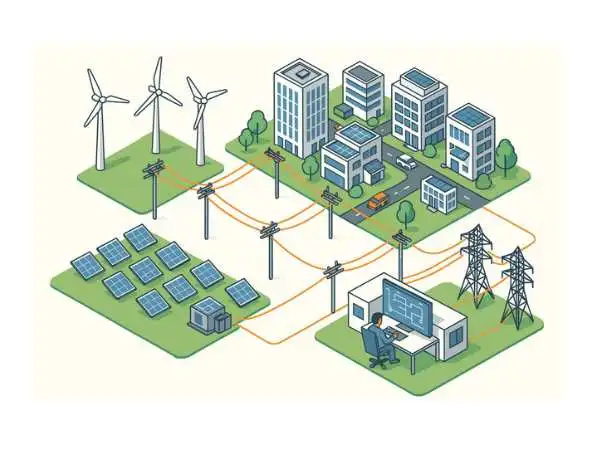
Power grids have it rough. Computers managing electricity require electricity to operate. It’s like needing your keys to unlock the box where you keep your keys. Smart grid connectivity helps crack this puzzle by making power systems that think for themselves. Blues IoT and similar companies make cellular gadgets that stay connected even when local networks fail or power gets wonky. These devices watch equipment, flag stuff that needs fixing, and help power companies respond fast after storms trash the lines.
What makes modern grids tough? Backup routes for everything. Lose one communication path? Three others still work. Power dies? Battery backups kick in. Some equipment even saves data during outages and sends it later when connections come back. Nothing gets lost.
Learning From Failures
Mistakes are lessons. Engineers analyze failures like detectives. They simulate disasters. Identifying weaknesses during training is preferable to discovering them in a genuine emergency. Networks become clearer with use. Computers detect patterns that humans overlook. A server that usually hums at 40% suddenly hitting 41%? Might mean nothing. Or it might mean that the server’s about to die next Tuesday. The network flags it; someone swaps it out Monday; crisis avoided. Nobody even knows how close things came to failing.
Conclusion
More stuff comes online every day. Each connection makes the web bigger and crazier. The networks that last won’t be the perfect ones. They’ll be the ones who expect chaos and plan for it. That’s the secret. Stop trying to build unbreakable networks. Build networks that break well instead. Ones that stumble but don’t fall. That’s how you keep the lights on when the entire world depends on staying connected.